
Chimney inspections in Aurora.
Every part of the chimney gets its own look, which lets us catch a small fault before it grows. Ring us, or use the form to ask for a visit at a time of your choosing.
- Based in AuroraThree counties, one city
- We phone youTo choose a day together
- Online formAt any hour
Photo: Anschutz Health Sciences Building, CU Anschutz, Jesse James, CC BY 4.0
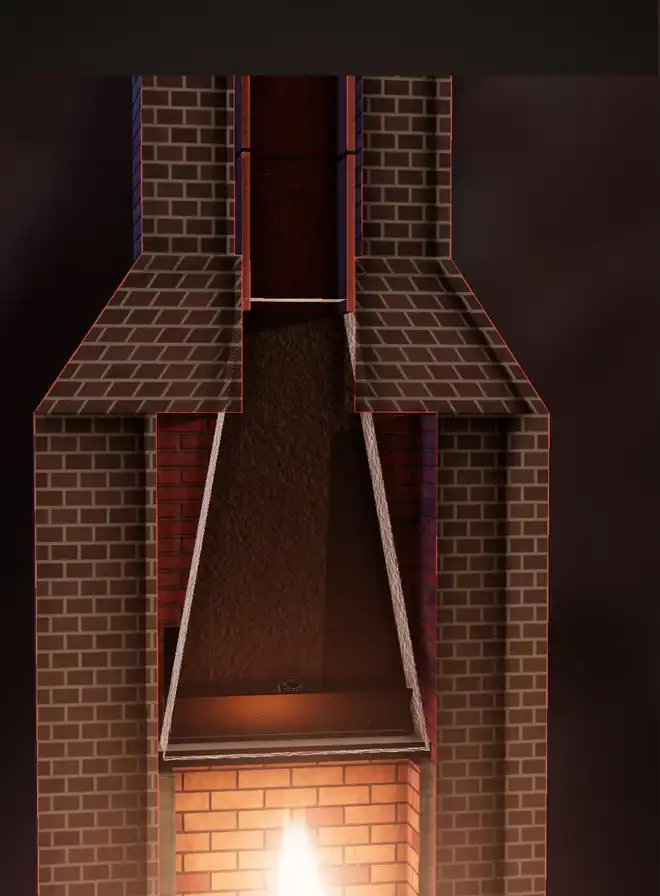
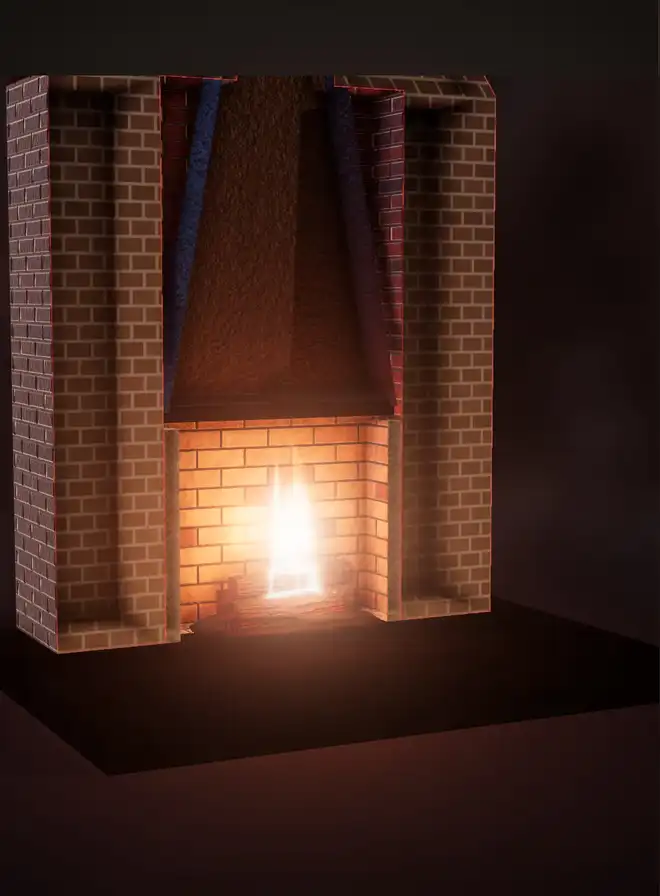
What an inspection examines.
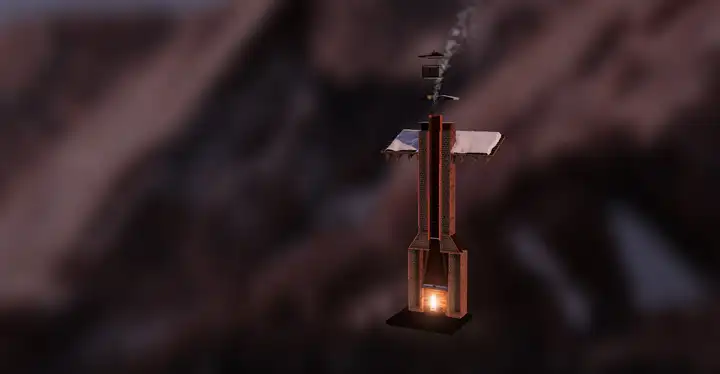
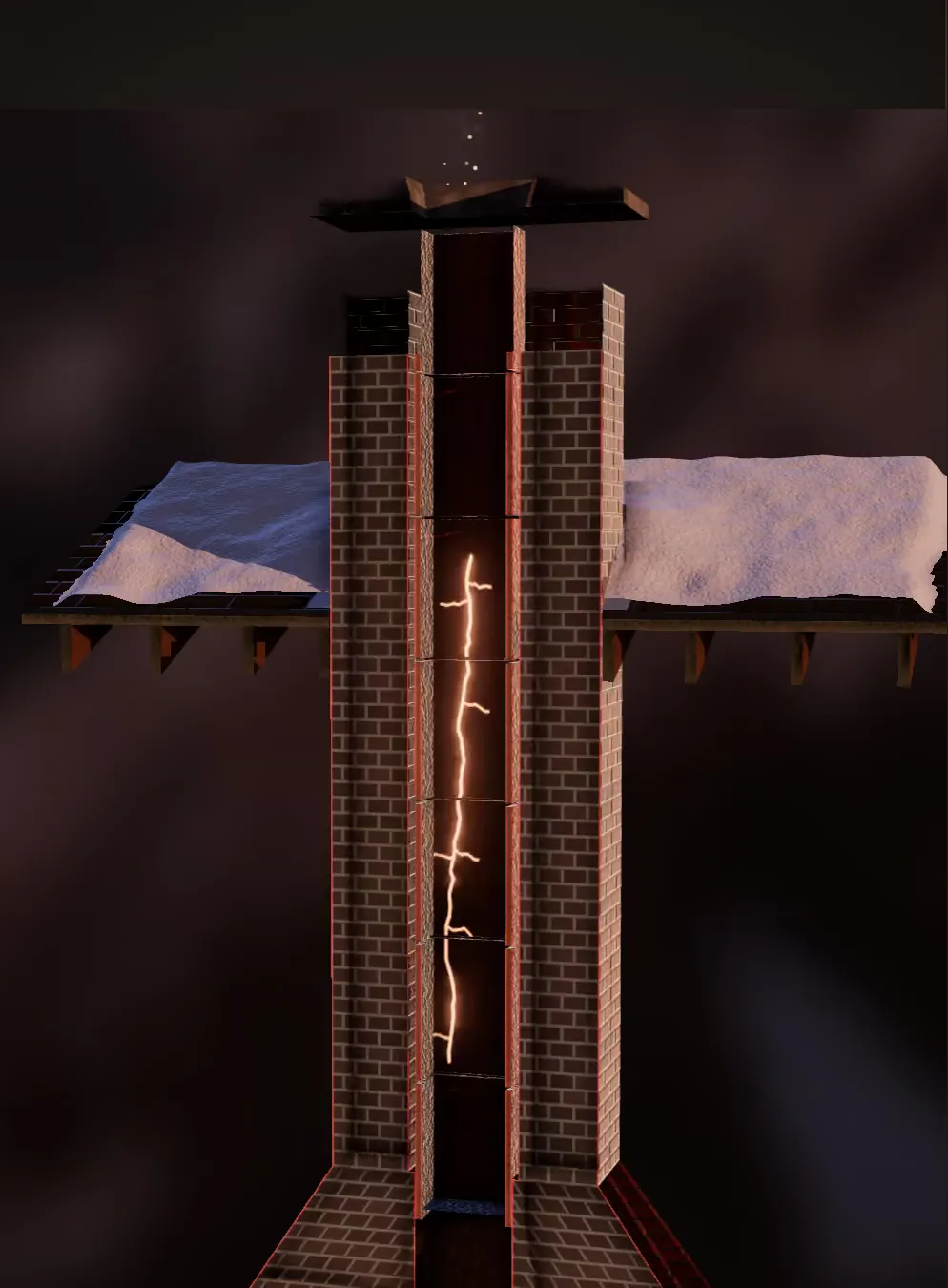
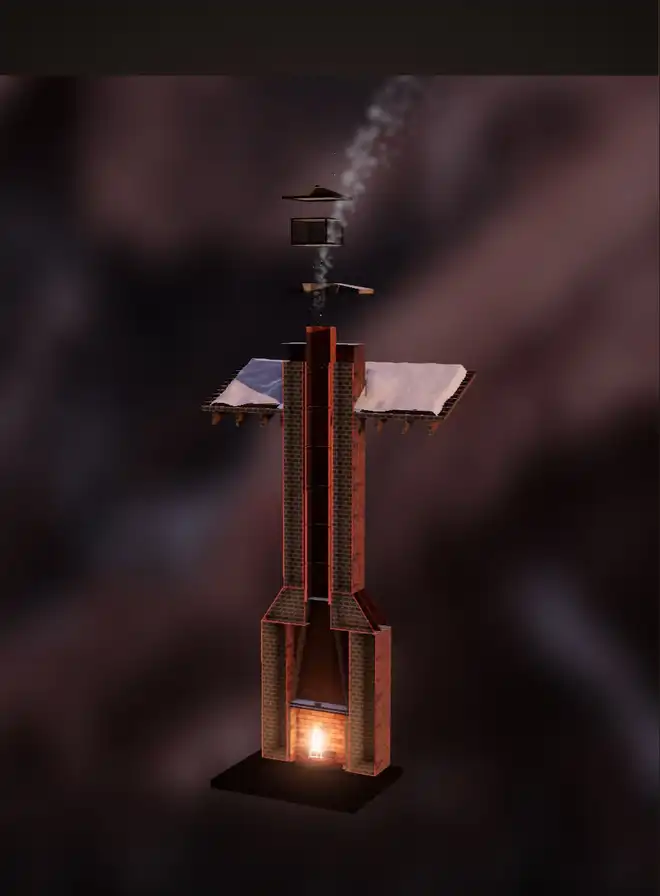
Six parts, in order from the roofline down to the hearth.
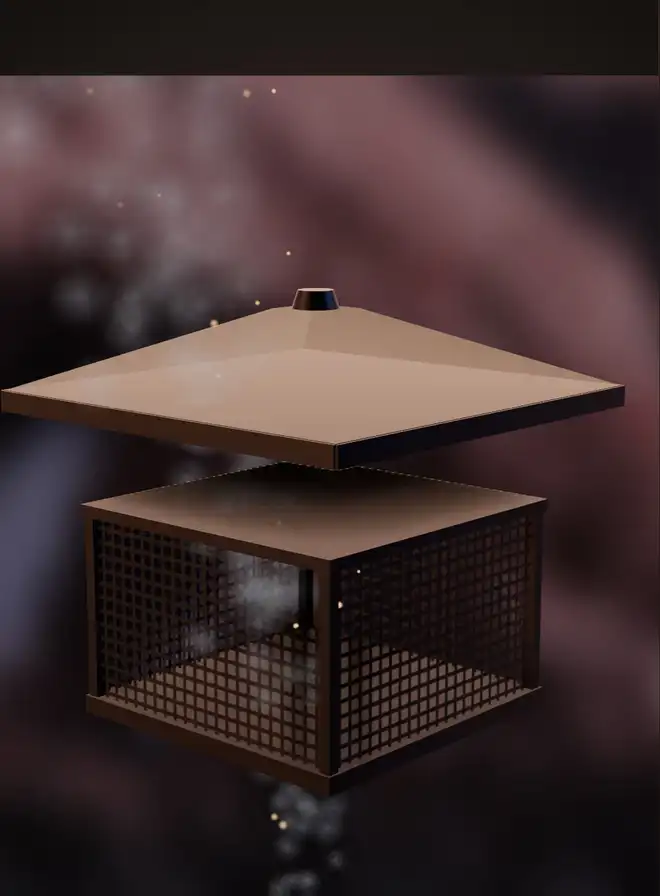
Cap
At the roofline
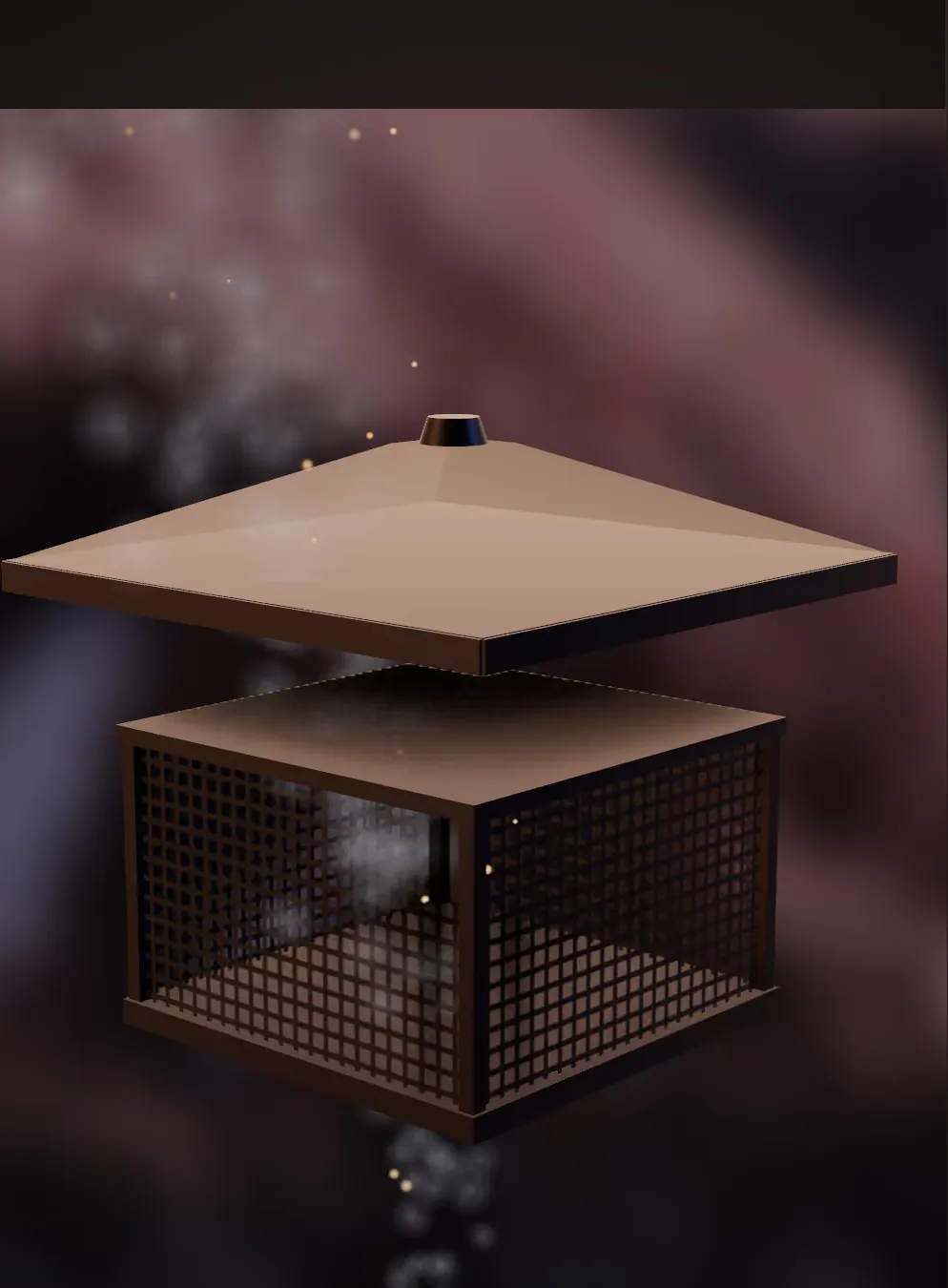
Hail, sun and wind arrive at the cap before they reach any other part. The screen stops embers leaving and keeps animals out, while the lid sheds rain and snow.
What we check: dents from hail, a loose screen, rusted fixings on the lid.
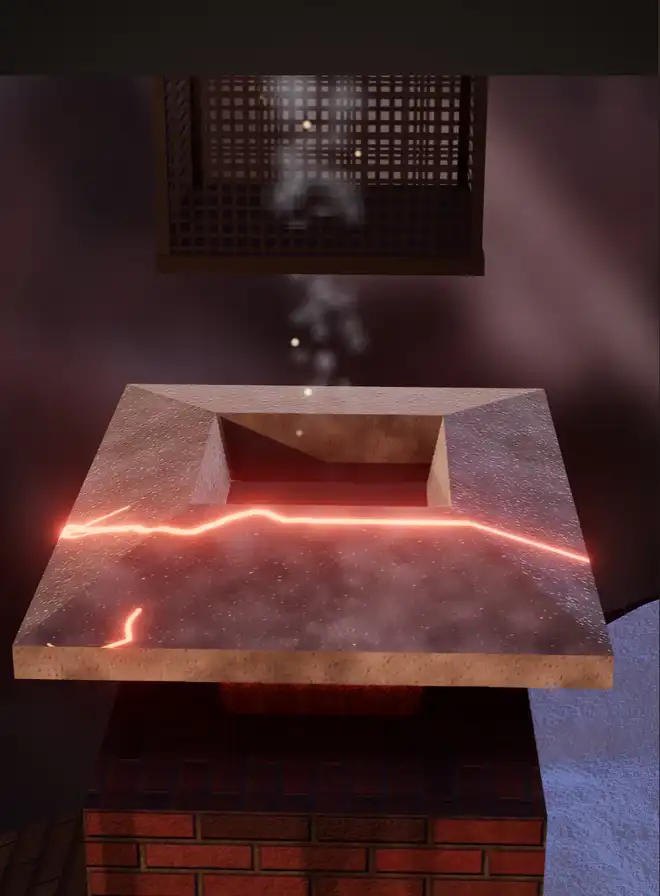
Crown
Under the cap
In the crown, a hairline crack soaks up water during the day and stays damp overnight; at the Cherry Creek Dam station the normal January low is 16.9°F.
What we check: fine cracks, chipped corners, a slab pulling away from the flue.
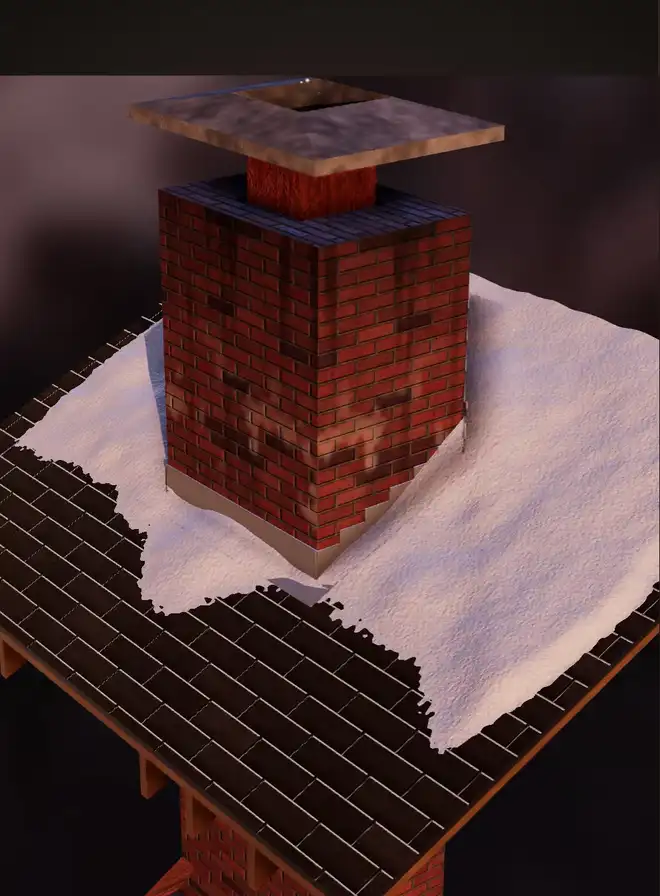
Flashing
At the joint with the roof
Where chimney and roof meet, a metal collar called flashing seals the gap. Slow-melting wet snow collects along its upper edge, and if a seam has lifted the water finds its way in.
What we check: a curled edge, cracked sealant, rust streaks, a damp patch on the ceiling underneath.
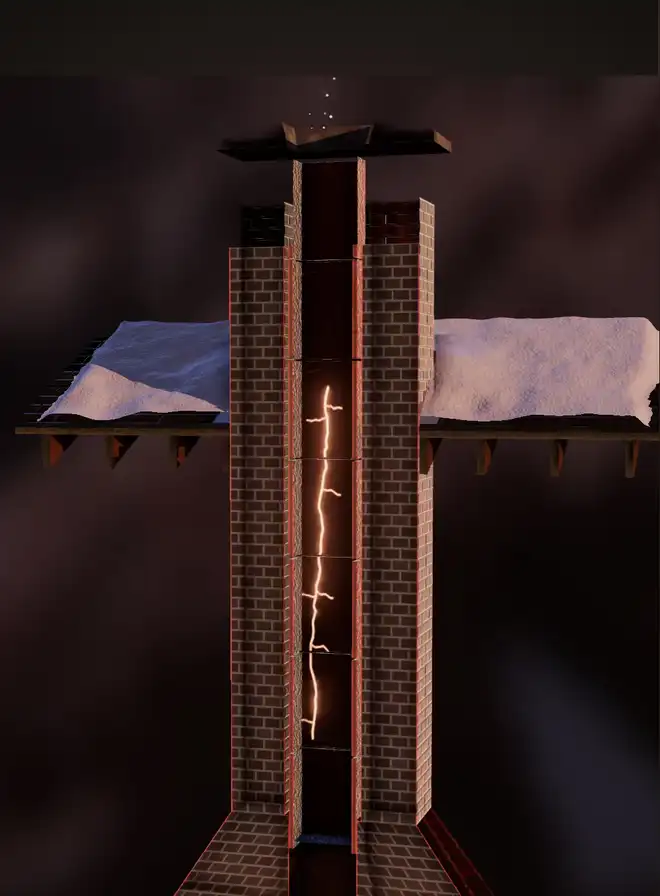
Flue liner
Inside the masonry
The liner is the channel that takes smoke and gases out of the house. Aurora's median home was built in 1985, so a typical flue has been in service for over forty years, by which time a tile may have slipped or a seam rusted through.
What we check: a seam rusted through or split open, a tile that is cracked or displaced, a liner that does not fit the appliance connected to it.
Smoke chamber and damper
Above the damper
The ledge above the damper is where soot and creosote gather first. Occasional use fills it slowly and daily stove use fills it fast, yet it never stays empty.
What we check: shiny or tar-like deposits, a damper that fails to close, a ledge that flakes or tilts.
Firebox
On the hearth floor
Fire bears on the firebox walls year after year, so firebrick splits and mortar joints loosen. Closing a narrow gap is a small job; one that has let heat through to the framing is a bigger one.
What we check: open mortar joints, flaking or split firebrick, a hearth that is loose or uneven.
The three inspection levels.
NFPA 211, the standard covering chimneys, fireplaces and vents, describes three inspection levels, each going further than the one before.
Level 1
A chimney in regular use that has not been altered.
Covers What is visible and within easy reach, with nothing dismantled.
Level 2
A sale or transfer, a change to the heating setup, a chimney fire, or another event that might have damaged the system.
Covers Everything in Level 1, plus the attic, the crawl space and a camera inspection of the flue's interior.
Level 3
A hidden hazard is suspected and Level 2 did not settle it.
Covers Level 2 work plus the hidden areas, which may call for opening up part of the building.
Source: NFPA 211, the three inspection levels.Schedule an inspection
When an inspection is worth booking.
Trouble found only once it shows itself is trouble found late. These are the occasions when an inspection pays off.
Before the heating season.
NFPA recommends one inspection a year, and the weeks before the heating season starts are a natural moment for it.
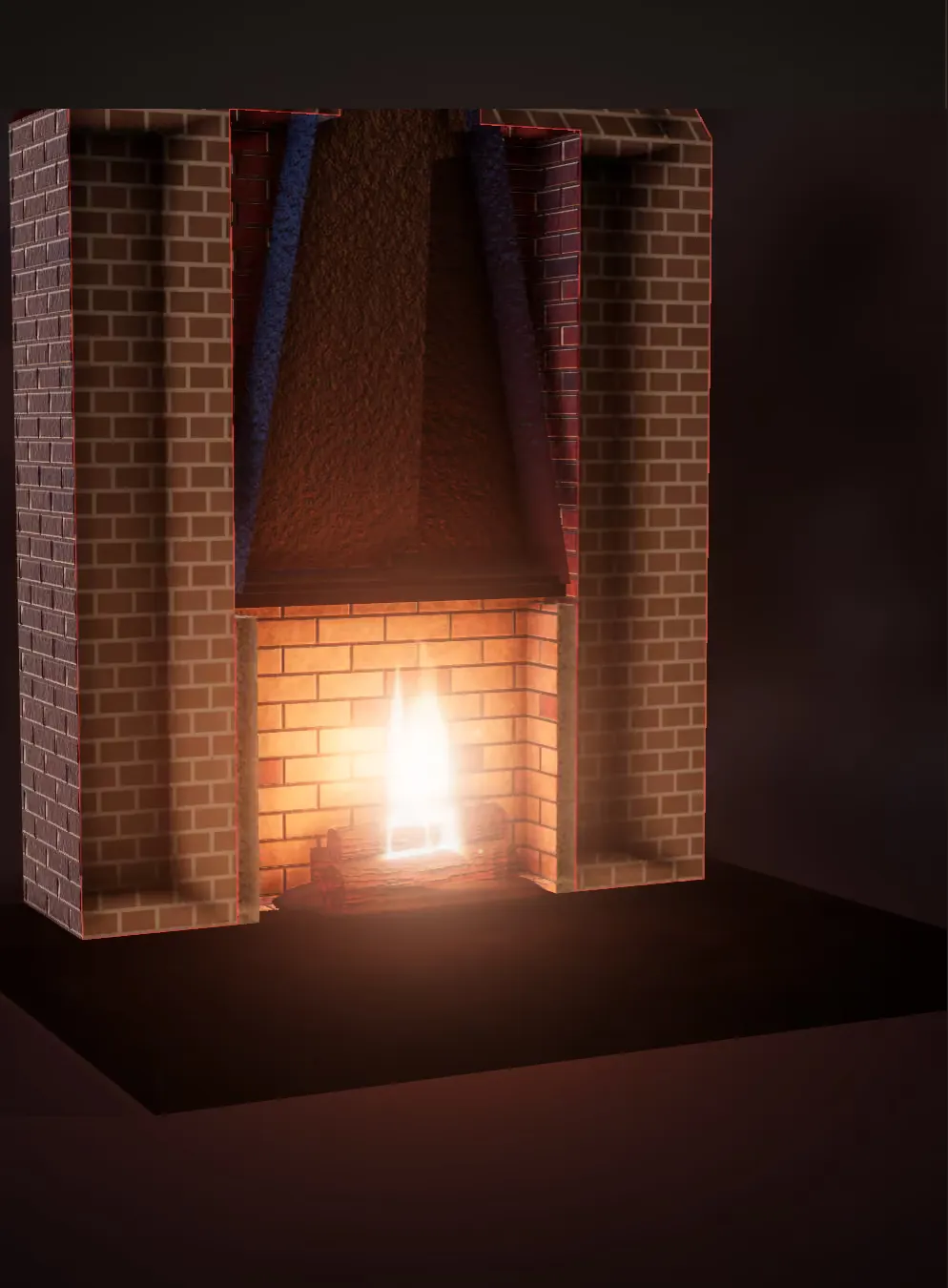
Illustration When a house is sold or inherited.
A sale or transfer counts as a Level 2 occasion under NFPA 211, which adds a camera pass through the flue. Aurora's housing varies widely in age: of the 152,377 homes in the Census Bureau's 2020 to 2024 estimates, 56,222 predate 1980, 51,492 date from the 1980s and 1990s, and 44,663 from 2000 on, so a buyer cannot assume one chimney resembles the next.
Illustration After a chimney fire.
After a chimney fire, as after any event that could have damaged the system, NFPA 211 moves the inspection up to Level 2.
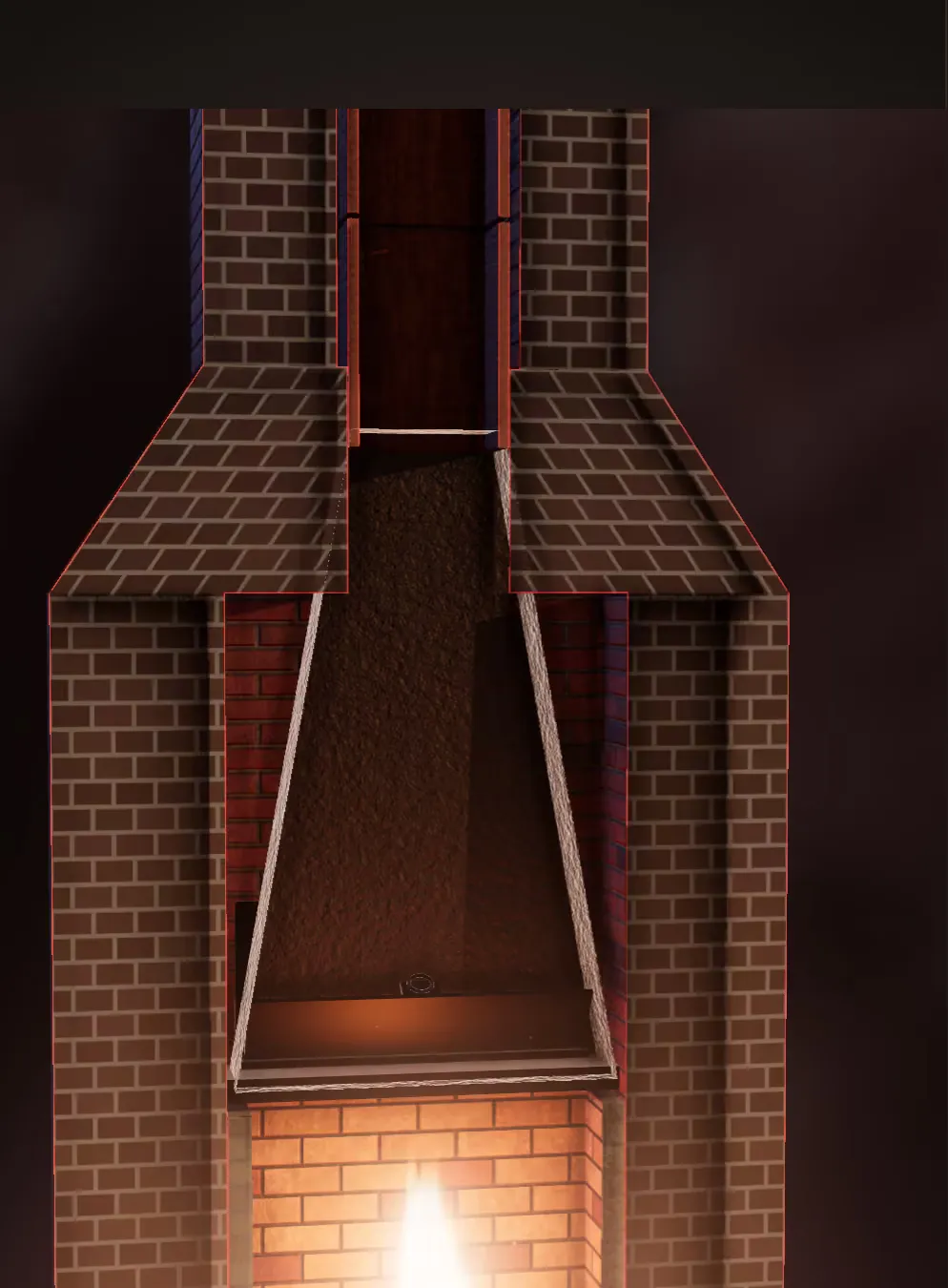
Illustration After hail or strong wind.
Hail and wind strike the parts at roof level first: cap, crown and flashing. NOAA's Storm Events Database lists hail of an inch or more under an Aurora location on 18 days between 2010 and 2025, and it records an estimated 70 mph gust at Aurora on June 6, 2020, with trees snapped or uprooted.
Illustration
Inspection questions, answered.
Short replies, each with its source where there is one.
Do I have to have an inspection every year?
NFPA 211 recommends a yearly inspection. Whether any law demands one for your home depends on the local codes. Sweeping is a different matter, since how often it is needed follows how much you burn.
Is it sensible to inspect when buying or selling a home?
Yes: a sale or transfer is among the occasions when NFPA 211 asks for Level 2. That level also reaches the spaces above and below the house and films the flue, while Level 1 covers only what can be reached.
What gets inspected?
The whole chimney, from the roofline down: cap, crown and flashing first, then the liner, then the smoke chamber and damper, and last the firebox. Each part has its own checklist above.
How do I book an inspection?
Call (983) 213-4946, or send the form below; it is open at every hour.
Describe what you have noticed.
Write a few lines on the form, or phone us. Someone calls back so that we can choose a day together.
- 1Your request reaches us By phone, or as a few lines on the form.
- 2We ring you back We talk it over and choose a day that suits you.
- 3The visit, roof to hearth We work down the stack, one part after another.
- 4The decision is yours We describe what we saw, and you decide what comes next.
Online form
Open at any hour, day or night
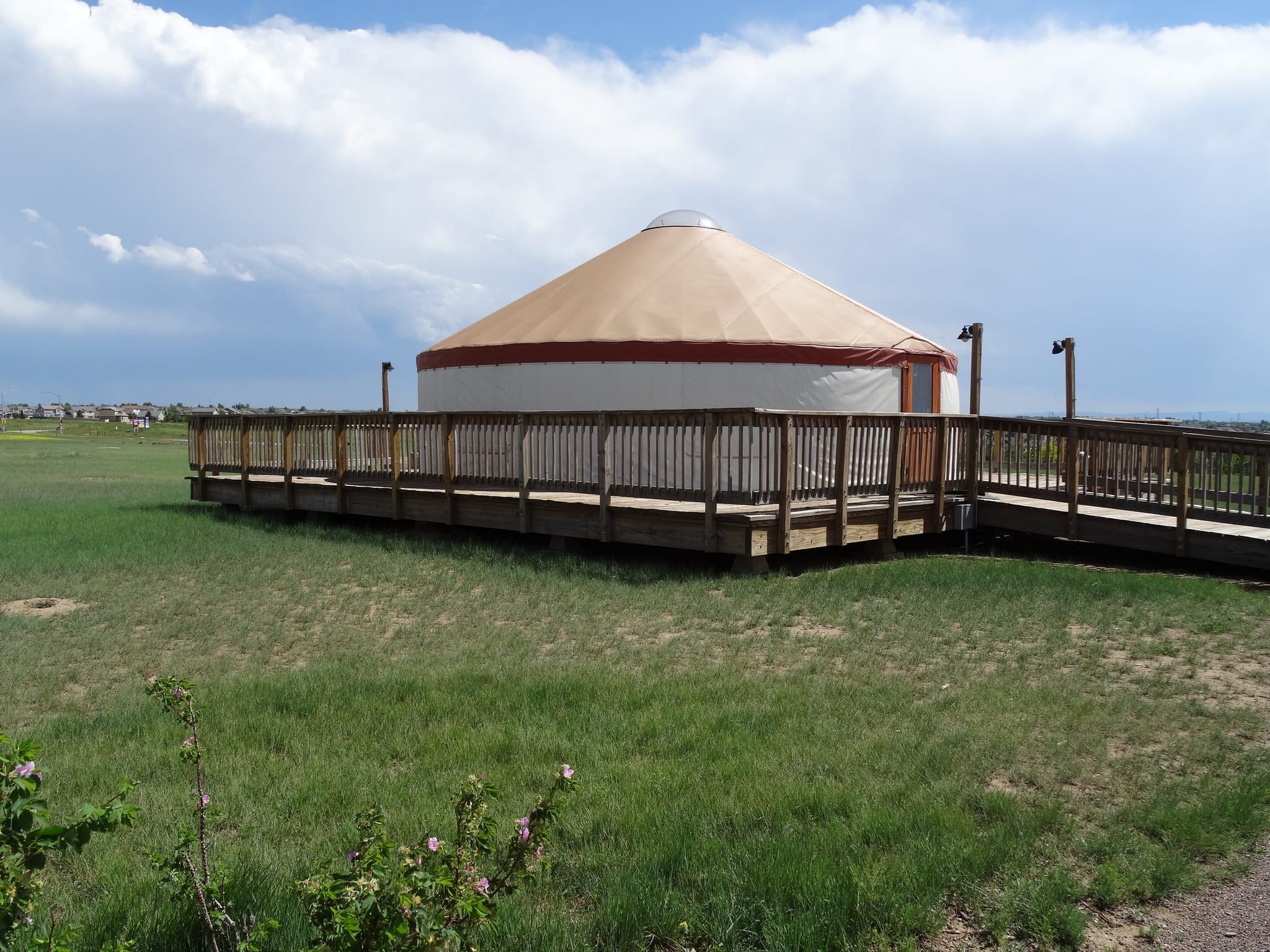
Photo: Plains Conservation Center, Colorado 02, Zenhaus, CC BY-SA 3.0