
Chimney sweeping and cleaning in Aurora.
A sweep scrubs the soot and creosote from the flue and from the ledge over the damper, and clears the firebox and any stove pipe as well. Ring us, or put in a request on the form at any hour that suits you.
- Based in AuroraThree counties, one city
- We phone youTo choose a day together
- Online formAt any hour
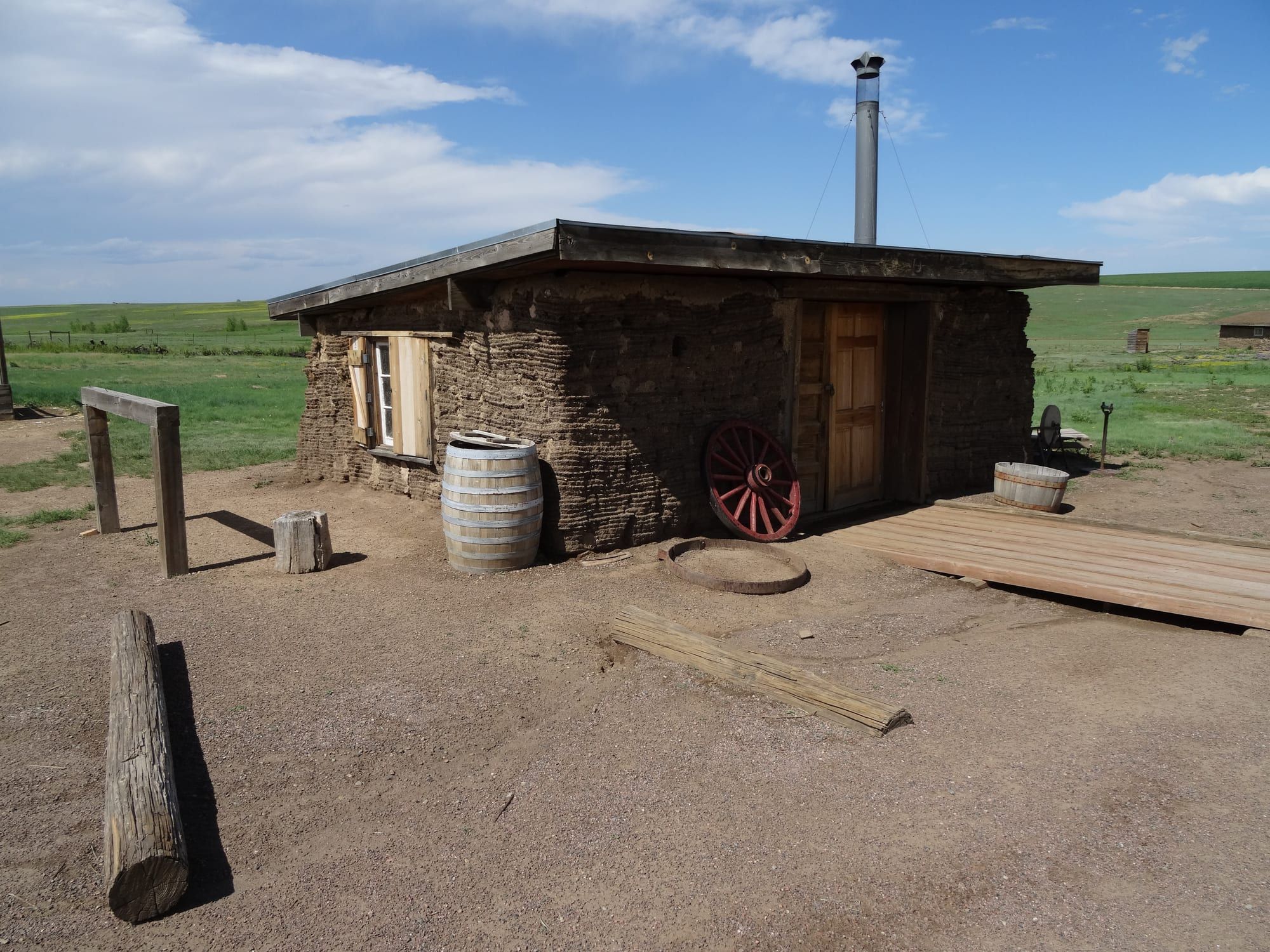
Photo: Plains Conservation Center, Colorado 03, Zenhaus, CC BY-SA 3.0
A sweep, one stage at a time.
What leaves the flue, how often that has to happen, and what to sort out ahead of the first fire of the season.
What the brushes remove.
Wood smoke leaves a thin film across the walls of the flue. A fresh film is dry and brushes away with ease, but after many slow, smoldering fires it turns into sticky tar, and in time into a hard, shiny glaze that a stiff brush hardly moves.
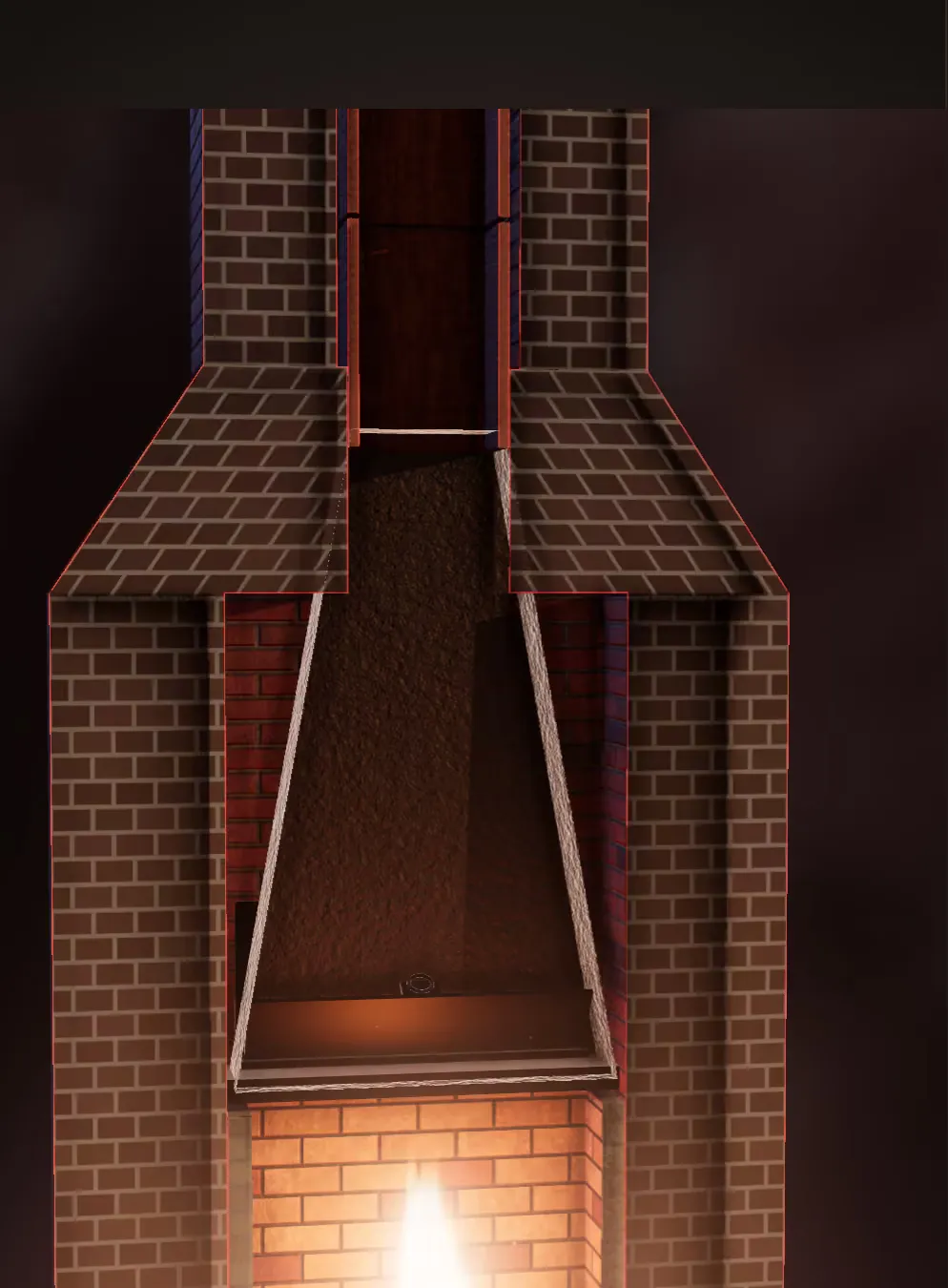
We start at the damper and work upward toward the cap, then clean the smoke ledge, and finish on the firebox floor. All that comes loose is collected and carried off, so none of it stays in the house to burn later.
Illustration What a clean flue does for you.
Chimney fires begin when creosote that has built up catches alight in the flue. Remove the deposit and a stray spark has much less to burn.
The draw improves too. Smoke ought to leave by the top, but a coated flue can let it spill back into the room when the damper opens.
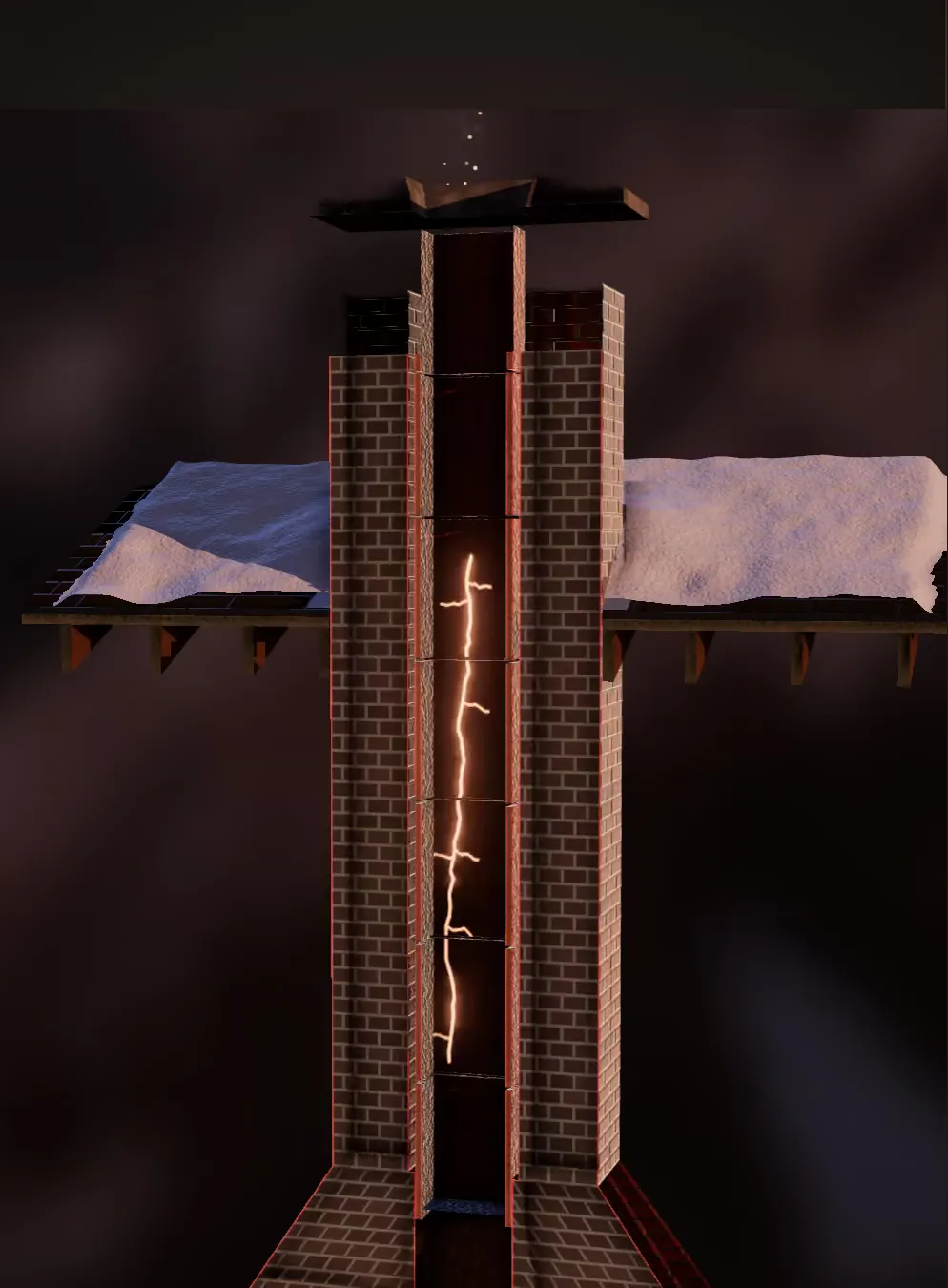
Illustration Up at the top.
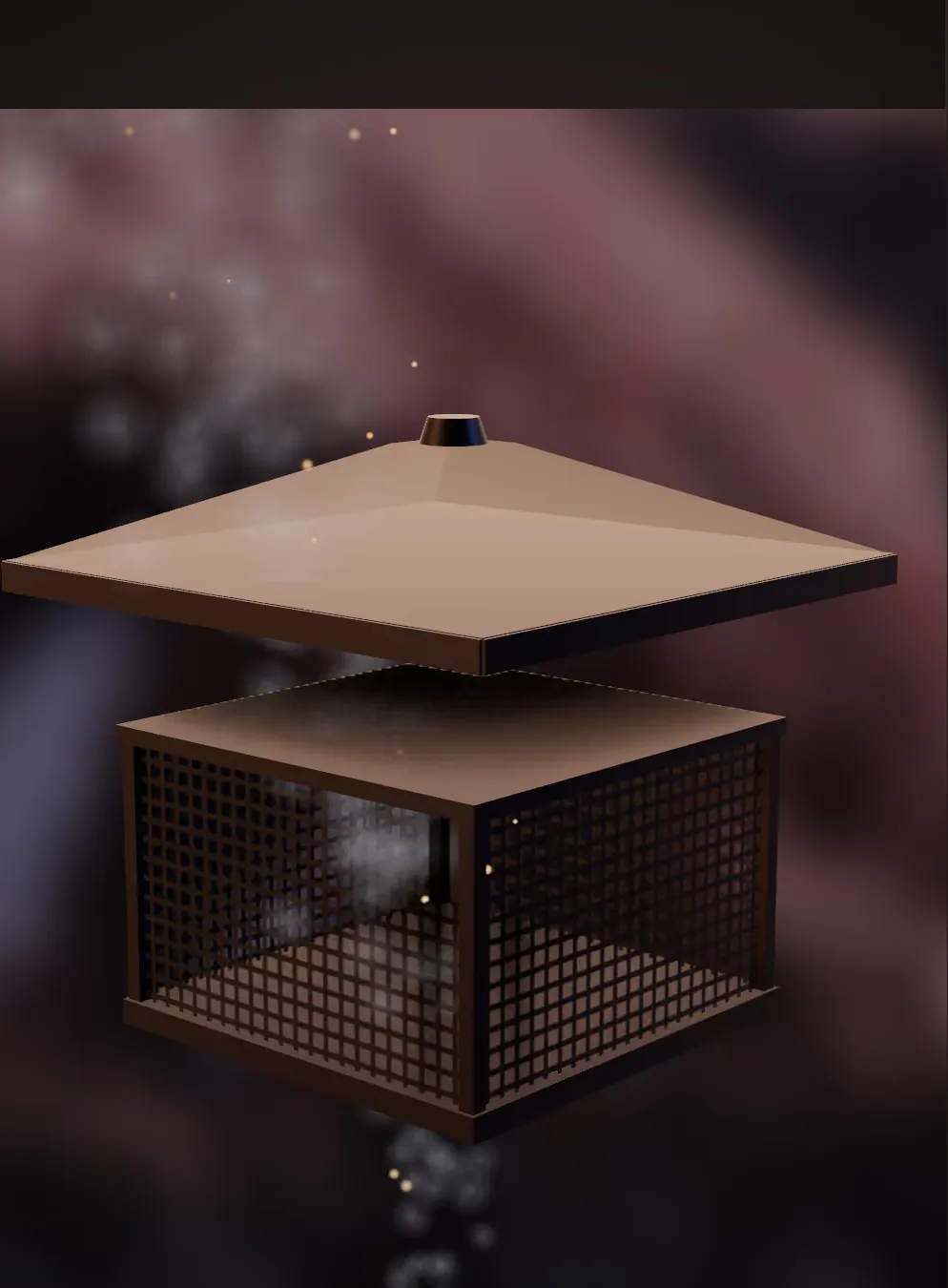
Smoke has cooled by the time it reaches the cap, and cooled smoke sheds soot. A clogged screen weakens the draw, yet the screen is also what holds embers back, so it gets cleaned on every visit.
Illustration
Sweeping questions, answered.
Short replies, each with its source where there is one.
How can I tell a sweep is due?
The thickness of the deposit is a better guide than the date. A yearly inspection, which NFPA 211 recommends, shows how much has built up and what sort it is. Glossy or tar-like coats are a cue to act soon.
Do I need a sweep or an inspection?
An inspection judges the chimney as a whole, measured against the three levels of NFPA 211. Soot can conceal damage, so one visit commonly covers both.
What is glazed creosote?
Glazed creosote is creosote that has cooked into a hard, glossy, tar-like skin. It forms when smoke cools slowly, as happens in a stove turned down for the night. Brushes barely move it, so finding it means booking soon.
Do gas fireplaces need sweeping?
Gas leaves no creosote, but the vent has to stay clear. A bird's nest, fallen leaves or scales shed by a worn liner can block it, which makes an occasional check sensible.
Why is the smell worse in warm weather?
Humid, warm air lifts the creosote smell, and a downdraft can drive it into the house. Once the deposit is cleared the smell has nothing to come from.
How do I book a sweep?
Phone (983) 213-4946 or use the form lower down, which takes a request at any hour. Someone rings back to set a day.
Describe what you have noticed.
Write a few lines on the form, or phone us. Someone calls back so that we can choose a day together.
- 1Your request reaches us By phone, or as a few lines on the form.
- 2We ring you back We talk it over and choose a day that suits you.
- 3The visit, roof to hearth We work down the stack, one part after another.
- 4The decision is yours We describe what we saw, and you decide what comes next.
Online form
Open at any hour, day or night
Photo: Plains Conservation Center, Colorado 02, Zenhaus, CC BY-SA 3.0